
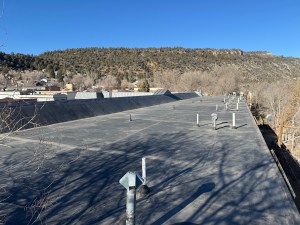
Every year tells a story. And in Western Colorado, the story of 2025 was written in snow loads, summer sun, surprise windstorms, and the quiet drip of leaks that homeowners hoped would fix themselves. Spoiler: they didn’t.
From mountain towns to high-desert neighborhoods, roofs across the region faced the full force of Colorado’s climate. Some held strong. Others waved the white flag. This year-in-review looks at the most common roofing problems we repaired in 2025—and what homeowners can learn from them before the next season rolls in.
Key Takeaways From the 2025 Roofing Season
- Most roofing problems started small and grew expensive
- Weather exposed installation mistakes more than material failures
- Poor ventilation caused long-term damage in many homes
- Preventative inspections could have avoided many repairs
- Local experience made all the difference in long-lasting fixes
What Roofing Issues Showed Up the Most in 2025?
Leaks were still public enemy number one
Roof leaks topped the list again in 2025, and most weren’t caused by dramatic storm damage. Instead, they came from slow failures—aging sealants, cracked flashing, and improperly installed roof penetrations.
Many homeowners noticed:
- Water stains forming weeks after storms
- Drips appearing during snowmelt, not rainfall
- Moisture buildup in attics
The fix was usually straightforward once caught early. The real damage came when leaks were ignored, allowing rot and insulation damage to spread.
Why Were Flashing Failures So Common This Year?
Flashing takes the hardest hits and gets the least attention
Flashing protects the most vulnerable parts of a roof—chimneys, skylights, valleys, and vents. In 2025, flashing failures were one of the most frequent repair calls across Western Colorado.
We saw issues caused by:
- Improper installation during previous roof replacements
- Aging metal pulling away due to expansion and contraction
- Sealants breaking down under UV exposure
Once flashing fails, water follows gravity. That’s when small problems turn structural.
How Did Snow and Ice Damage Roofs in 2025?
Heavy winters exposed weak points fast
Western Colorado saw several snow-heavy stretches in 2025, and roofs that weren’t built or maintained for snow loads paid the price.
Common cold-weather problems included:
- Ice dams forcing water under shingles
- Sagging roof sections from excess weight
- Gutter damage leading to drainage issues
Many of these homes lacked proper insulation and ventilation, which allowed warm air to melt snow unevenly. That meltwater refroze at roof edges—and found its way inside.
Why Did Ventilation Problems Cause So Much Damage?
Heat and moisture had nowhere to go
Poor attic ventilation was one of the most costly long-term issues we addressed in 2025. Without proper airflow, heat and moisture became trapped, accelerating wear from the inside out.
Ventilation-related damage included:
- Premature shingle aging
- Mold growth in attic spaces
- Warped roof decking
Homeowners often assumed their roof materials failed. In reality, the roofing system was never balanced correctly to begin with.
What Role Did Wind Play in Roofing Repairs This Year?
Wind didn’t destroy roofs—it exposed shortcuts
High winds rolled through Western Colorado multiple times in 2025. While quality roofs held firm, others showed signs of rushed or outdated installation.
We frequently repaired:
- Lifted or missing shingles
- Exposed nail heads
- Ridge caps separating
These issues weren’t always storm damage—they were signs that fastening and installation methods didn’t meet modern standards.
Which Roofing Materials Had the Most Problems in 2025?
Age mattered more than material
Across the board, failures correlated more with roof age and installation quality than with material type.
That said, the most common material-related issues involved:
- Older asphalt shingles reaching the end of their lifespan
- Metal roofs with expansion issues due to improper fastening
- Tile roofs with cracked underlayment beneath intact tiles
The takeaway? Even durable materials fail when the system beneath them is compromised.
What Preventable Mistakes Did We See Repeatedly?
Small oversights turned into big repair bills
Many of the roofing problems we fixed in 2025 could have been prevented with basic maintenance and inspections.
The most common avoidable issues included:
- Ignoring minor leaks
- Skipping post-storm inspections
- Allowing debris buildup in valleys and gutters
- Using non-roofing contractors for roof penetrations
These weren’t dramatic failures. They were slow burns.
Why Did Emergency Repairs Increase Toward the End of the Year?
Problems ignored in summer showed up in winter
Late 2025 saw a spike in emergency calls as colder weather arrived. Roofs that barely held together through summer couldn’t handle snow, ice, and freezing temperatures.
Emergency situations often involved:
- Active leaks during snowmelt
- Interior water damage
- Structural concerns from prolonged moisture exposure
Timely fall inspections would have prevented many of these calls.
What Questions Did Homeowners Ask Us the Most in 2025?
The conversations that came up again and again
Do I need a full roof replacement or just repairs?
It depends on age, damage extent, and future plans.
Why did my roof fail even though it’s not that old?
Installation and ventilation issues are often the cause.
Can insurance help with these problems?
Sometimes—but wear and maintenance issues are usually excluded.
How often should my roof be inspected?
At least once a year, and after major storms.
What Can Homeowners Do Differently Going Into 2026?
Awareness is the best form of protection
The biggest lesson from 2025 wasn’t about materials or weather—it was about timing. Roof problems don’t fix themselves, and early action saves money.
Smart steps moving forward include:
- Annual professional inspections
- Addressing ventilation and insulation together
- Choosing local roofers who understand regional conditions
Prevention costs far less than emergency repairs.
Closing the Loop: Lessons From the Roofline
2025 reminded us that roofs tell the truth. They reveal shortcuts, reward good craftsmanship, and respond directly to how well they’re cared for. In Western Colorado, where the weather never plays fair, a strong roofing system isn’t a luxury—it’s a necessity.
If your roof showed signs of stress this year—or if you want to make sure it doesn’t next year—contact Mint Roofing in Pagosa Springs, Colorado. Their team brings local knowledge, honest assessments, and long-term solutions that stand up to Colorado’s toughest seasons.
Because the best roofing stories are the ones you never have to tell.