
Emergency Roof Repair After Colorado Storm Damage
Colorado storms can arrive with little warning, bringing hail, strong winds, heavy rain, and even snow during certain times of the year. While some roof damage is easy to spot, other problems remain hidden until water begins entering your home. Knowing what to do after a storm can help you protect your property and determine whether Emergency Roof Repair is needed before the damage becomes more severe.
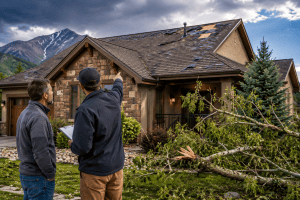
Inspect Your Property Safely
Your safety should always come first after a storm. Avoid climbing onto the roof, especially if shingles are loose or the surface is wet. Instead, inspect your property from the ground and look for visible signs of damage. If you suspect problems, schedule a professional roof inspection to assess the condition of your roof safely and accurately.
Common Signs of Storm Damage
Not every roofing problem results in an immediate leak. Storm damage often weakens roofing materials, allowing moisture to enter over time.
Look for these warning signs:
- Missing or lifted shingles
- Dented or damaged flashing
- Hail impact marks
- Fallen tree branches on the roof
- Granules collecting in gutters
- Water stains on ceilings or walls
Quick Answer: If your roof has missing shingles, hail damage, leaks, or visible structural damage after a storm, schedule Emergency Roof Repair as soon as possible to prevent further water intrusion and costly repairs.
Why Fast Repairs Matter
Even a small opening in your roof can allow rainwater to reach the roof decking and insulation. The longer moisture remains trapped, the greater the risk of mold, wood rot, and interior damage. Prompt roof repair can often stop these problems before they spread throughout your home.
Pro Tip: A ceiling stain doesn’t always appear directly below the damaged area. Water can travel along the roof structure before becoming visible indoors.
Colorado Weather Creates Unique Challenges
Colorado’s weather can be especially tough on roofing systems. A single season may include hailstorms, strong winds, heavy snowfall, and rapid temperature changes. These conditions can shorten the lifespan of roofing materials and make even minor storm damage worse if left unrepaired.
Regular maintenance helps your residential roofing system withstand changing weather and reduces the likelihood of unexpected repairs.
When Repairs May Not Be Enough
Some storms cause extensive damage that affects large sections of the roof. If shingles are missing across multiple areas or structural components have been compromised, your contractor may recommend roof replacement instead of repeated repairs. A professional assessment will help determine the most practical and cost-effective solution.
What to Do After Storm Damage
Taking the right steps immediately after a storm can help protect your home and simplify the repair process.
Homeowner Checklist
- Stay off the roof until it has been inspected.
- Take photos of visible damage from the ground.
- Remove fallen branches if it is safe to do so.
- Place buckets under active leaks inside your home.
- Schedule a professional roof inspection promptly.
- Address repairs before the next storm arrives.
Protect Your Home with Prompt Action
Storm damage should never be ignored, even if your roof appears intact. Small problems can quickly develop into expensive repairs when water finds its way beneath roofing materials. Scheduling Emergency Roof Repair after severe weather helps protect your home, extend your roof’s lifespan, and reduce the risk of long-term structural damage.
Frequently Asked Questions
How soon should I repair my roof after storm damage?
As soon as it is safe. Prompt repairs help prevent water intrusion, mold growth, and additional structural damage.
Can hail damage a roof without causing leaks?
Yes. Hail can crack shingles, damage flashing, and loosen roofing materials without creating an immediate leak. A professional inspection can identify hidden damage.
Should I climb onto my roof after a storm?
No. Storm-damaged roofs can be unstable and slippery. Inspect the roof from the ground and arrange a professional inspection if you suspect damage.
When is roof replacement better than roof repair?
If storm damage is widespread or has significantly weakened the roofing system, roof replacement may provide a safer and more cost-effective long-term solution.