
Roof Replacement Guide for Pagosa Springs Homes
Replacing a roof is a major investment, and homeowners in Pagosa Springs have local weather conditions to consider before making the decision. Heavy snow, strong winds, freeze-thaw cycles, and intense sunlight can all affect how roofing materials perform over time.
Knowing when replacement makes sense can help you avoid unnecessary repairs while protecting your home for years to come.
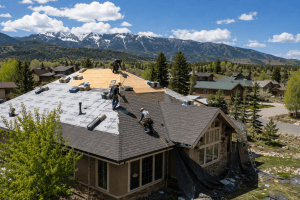
When Does a Roof Need Replacement?
Not every roofing problem requires a new roof. Minor leaks, damaged shingles, or isolated flashing problems can often be addressed through roof repair.
Replacement becomes more likely when damage is widespread, the roof is approaching the end of its expected lifespan, or repairs are becoming frequent and expensive.
Common warning signs include:
- Extensive missing or damaged shingles
- Repeated roof leaks
- Sagging areas
- Significant granule loss
- Widespread deterioration
- An aging roofing system
A professional roof inspection can help determine whether repairs are sufficient or replacement is the better long-term option.
How Pagosa Springs Weather Affects Your Roof
Local climate conditions are an important consideration when planning Pagosa Springs Roof Replacement.
Winter snow can place additional weight on the roofing system, while repeated freezing and thawing can affect shingles, flashing, and sealants. Strong sunlight at higher elevations can also accelerate material aging.
This doesn’t mean every roof needs replacement sooner than expected. However, homeowners should consider local weather exposure when evaluating their roof’s condition and remaining lifespan.
Choosing the Right Roofing Materials
The right material depends on your home’s design, budget, expected lifespan, and local weather exposure.
Asphalt shingles remain a popular option for residential properties because they are available in different styles and price ranges. Other roofing materials may also be appropriate depending on the structure and homeowner’s goals.
A professional roofing contractor can explain the advantages and limitations of available materials before you make a decision.
Roof Replacement vs. Roof Repair
The biggest question for many homeowners is whether to repair the existing roof or replace it.
If damage is limited to a small area, roof repair may be the more practical solution. However, repeated repairs on an aging roof can eventually cost more than investing in a new system.
For example, replacing several damaged shingles may make sense on a relatively new roof. On an older roof with widespread deterioration, replacement may provide better long-term value.
What Happens During a Roof Replacement?
A typical replacement begins with an assessment of the existing roofing system. The contractor then removes the old materials, checks the underlying decking, addresses any necessary repairs, and installs the new roofing system.
Proper roof installation is important because even high-quality materials can perform poorly when installed incorrectly.
Before work begins, homeowners should also request a detailed roof estimate covering materials, labor, removal of the existing roof, and any expected additional work.
How to Prepare Your Home
A little preparation can make the replacement process easier.
Before work starts:
- Move fragile items away from walls and ceilings.
- Protect valuables stored in the attic.
- Clear vehicles from the work area.
- Keep children and pets away from the construction zone.
- Discuss access and cleanup arrangements with the contractor.
Roof replacement can create noise and temporary disruption, so knowing what to expect helps make the process smoother.
Plan Your Roof Replacement Carefully
A new roof can improve your home’s protection, appearance, and long-term value. However, replacement should be based on the actual condition of the roofing system rather than age alone.
If you’re unsure whether your Pagosa Springs home needs repairs or a complete replacement, start with a professional inspection. Understanding the condition of your roof will help you make a more informed decision and avoid spending money on work you don’t need.
Frequently Asked Questions
How long does a residential roof typically last?
Lifespan depends on the roofing material, installation quality, maintenance, and local weather exposure. An inspection can provide a better indication of your roof’s remaining service life.
Should I repair or replace my roof?
Minor, isolated damage can often be repaired. Widespread deterioration, recurring leaks, or an aging roofing system may make replacement the more practical option.
How do I get an accurate roof replacement cost?
A professional roof estimate should account for the roof’s size, materials, labor, removal, decking repairs, and other project requirements.
Can I replace my roof during winter?
Roofing work depends on weather conditions, material requirements, and contractor recommendations. Your roofing professional can determine when installation can be performed safely and effectively.