
Roof Installation Mistakes That Shorten Roof Life
A new roof is a major investment, so homeowners expect it to provide reliable protection for many years. However, even quality roofing materials can fail sooner when installation mistakes occur. Poor preparation, incorrect fastening, inadequate ventilation, and overlooked details can all reduce roof performance. Understanding common Roof Installation mistakes can help homeowners make better decisions before work begins.
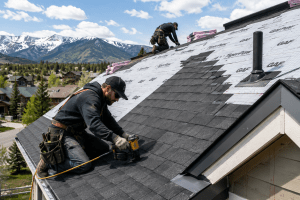
Wrong Roofing Materials
Not every roofing material is suitable for every home, roof design, or climate. Colorado homes can experience snow, strong winds, intense sunlight, and significant temperature changes, so material selection should account for these conditions. A qualified contractor should explain which materials are appropriate for the roof’s design and expected weather exposure rather than simply recommending the least expensive option.
Poor Roof Preparation
A new roof should not simply cover problems that already exist underneath. Before installation, the existing roofing system should be checked for damaged decking, moisture intrusion, deteriorated flashing, and other concerns. Skipping this preparation can leave hidden problems beneath the new materials. A professional roof inspection can help identify issues that should be addressed before installation begins.
Improper Shingle Fastening
Shingles need the correct type, number, and placement of fasteners. Too few fasteners can leave shingles vulnerable to wind, while incorrectly positioned or overdriven fasteners can damage them or prevent proper sealing. These small workmanship problems can become serious during severe weather and may eventually require roof repair.
Flashing Problems
Flashing protects vulnerable areas around chimneys, walls, skylights, vents, and roof valleys. When flashing is installed incorrectly, damaged, or inadequately sealed, water can find a pathway into the roofing system. Careful flashing installation is especially important during roof replacement, when vulnerable areas may already show signs of previous water intrusion.
Poor Roof Ventilation
Proper attic ventilation helps manage heat and moisture beneath the roof. Inadequate ventilation can contribute to excessive heat, moisture buildup, and premature deterioration of roofing materials and structural components. Installing new shingles without evaluating ventilation can therefore leave an important problem unresolved. Ventilation should be considered part of the complete residential roofing system.
Hidden Roof Damage
Covering an old or damaged surface without evaluating its condition can create problems later. Moisture-damaged decking, rot, deteriorated underlayment, and other underlying issues may continue affecting the new roof after installation. A proper roof replacement should include an assessment of the existing structure and necessary repairs rather than simply placing new materials over existing problems.
Choosing a Contractor
The lowest roof estimate is not necessarily the best value. Differences in materials, preparation, installation methods, flashing, ventilation, cleanup, and warranty coverage can all affect the final price. Homeowners should compare what each contractor includes rather than comparing the final number alone. Asking detailed questions about materials, labor, preparation, warranties, and cleanup can help identify a more complete roofing proposal.
Proper Roof Installation
A roof’s lifespan depends on much more than the shingles selected for the project. Proper preparation, fastening, flashing, ventilation, and installation techniques all contribute to long-term performance. Before hiring a contractor, homeowners should understand the proposed work and make sure underlying problems will be addressed. Quality roof installation starts with careful planning and attention to details that may not be visible once the project is complete.
Frequently Asked Questions
What is a common roof installation mistake?
Improper fastening, poor flashing, inadequate ventilation, and failure to address damaged decking are common problems that can reduce roof performance and shorten its service life.
Can poor installation cause roof leaks?
Yes. Improperly installed flashing, underlayment, shingles, and roof penetrations can create pathways for water to enter the roofing system.
How can homeowners avoid installation problems?
Choose an experienced contractor, request a detailed roof estimate, ask about materials and installation methods, and make sure the existing roof structure is evaluated before work begins.
Does professional installation affect roof lifespan?
Yes. Even quality materials can fail prematurely when installed incorrectly. Proper installation helps the roofing system perform as intended and can reduce premature repairs.