
Pagosa Springs Residential Roofing After Hail & Wind: What to Do Next
Hail and strong winds can leave roof damage that is easy to miss from the ground. A few missing shingles may be obvious, but cracked shingles, loose flashing, and damaged roof edges can create problems later. If a storm has recently passed through Pagosa Springs, the important question is not just whether your roof looks damaged. It is what you should do next.
Check for Visible Damage
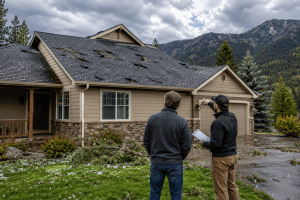
Start by checking the roof from the ground. Look for missing or lifted shingles, roofing debris in the yard, damaged gutters, fallen branches, or areas that look different from the rest of the roof. Do not climb onto the roof yourself, especially after a storm. If you notice anything unusual, arrange a professional roof inspection so the condition can be checked safely.
Watch for Hail Damage
Hail can crack or weaken shingles without creating an immediate leak. The damage may become a problem later when rain or snow reaches the affected area. If your Pagosa Springs home was exposed to significant hail, don’t assume the roof is fine simply because there is no water inside. A professional inspection can determine whether the shingles or other roofing components need attention.
Look for Wind Damage
Strong wind can loosen or remove shingles and damage flashing around roof edges, vents, and other exposed areas. An exposed section can allow moisture underneath the roofing materials, where damage may continue without being visible inside the home. If you find missing or displaced shingles after a storm, arrange roof repair promptly rather than waiting for the next storm to test the damaged area.
Check for Interior Signs
Some storm damage becomes noticeable inside the house before it is obvious on the roof. Look for new water stains on ceilings or walls, damp areas in the attic, peeling paint, or a musty smell. These signs can indicate that water is getting through the roofing system. If you find them, don’t simply cover the stain. Have the roof and the source of the moisture properly evaluated.
Decide: Repair or Replace?
Storm damage does not automatically mean you need a new roof. If damage is limited to a small area and the rest of the roofing system is in good condition, roof repair may be enough. If large areas are damaged or the roof was already old and deteriorating, roof replacement may make more sense. The decision should be based on the actual condition of the roof, not just the fact that a storm occurred.
Consider Local Weather
Pagosa Springs roofs already face snow, freezing temperatures, strong sunlight, wind, and changing weather throughout the year. When storm damage is added to normal weather exposure, weak areas can deteriorate faster. This makes it especially important to address damaged roofing materials before moisture and repeated weather changes turn a manageable problem into more extensive damage.
Take Action Early
After hail or wind damage, the safest approach is simple: check the property from the ground, document visible problems, and arrange a professional assessment if damage is suspected. Don’t assume that no interior leak means there is no roof damage. Early residential roofing attention can help identify problems while they are still manageable and give you a clearer choice between repair and replacement.
Frequently Asked Questions
Should I inspect my roof after a hailstorm?
Yes, particularly after significant hail. Some damage is difficult to see from the ground and may not cause an immediate leak. A professional roof inspection can identify problems before they become more serious.
Does wind damage always require roof replacement?
No. Missing or damaged shingles may be repairable when the rest of the roof remains in good condition. Replacement becomes more relevant when damage is widespread or the existing roof is already near the end of its useful life.
What should I do if I find a ceiling stain after a storm?
Don’t ignore it or assume the problem will dry out on its own. The stain may indicate water entering through the roof. Arrange an inspection to locate the source and determine whether roof repair is needed.
Can hail damage appear later?
Yes. Hail can weaken roofing materials without immediately allowing water inside. Continued exposure to rain, snow, sunlight, and temperature changes can make the damaged area deteriorate further.