
Roof Shingle Repair After Wind Damage in Durango
Strong wind can turn a small roofing problem into a serious one surprisingly quickly. Shingles may lift, crack, loosen, or disappear completely, leaving parts of the roof exposed to rain and snow. For Durango homeowners, the important thing after wind damage is to determine whether a few shingles need attention or whether the storm has affected a larger part of the roofing system.
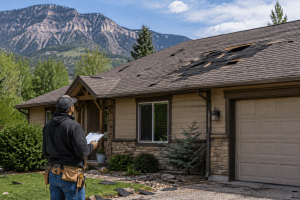
Look for Missing Shingles
Missing shingles are one of the easiest signs of wind damage to spot. Check the ground around your home for roofing pieces and look at the roof from a safe distance for obvious gaps. An exposed area can allow moisture beneath the roofing materials, so arranging Roof Shingle Repair promptly can help prevent a small damaged section from becoming a larger problem.
Check for Lifted Shingles
A shingle does not have to be completely missing to cause trouble. Strong wind can lift edges or break the seal that holds shingles in place. A lifted shingle can allow wind and moisture underneath it, increasing the chance of further damage during the next storm. If you see raised or displaced shingles, avoid climbing onto the roof and arrange a professional assessment.
Watch for Water Problems
Wind-damaged shingles can eventually allow water into areas that should remain dry. New ceiling stains, damp attic insulation, dripping water, or a musty smell after rain can indicate that moisture has entered through the roof. If you notice these signs, don’t wait for the next storm. A professional roof inspection can help locate the source before moisture causes more damage.
Know When Repair Works
Not every wind-damaged roof need replacement. If the damage is limited to a few shingles and the rest of the roof remains in good condition, targeted roof repair may restore the affected area. The key is to evaluate the surrounding shingles and underlying materials rather than treating the visible damage in isolation.
Watch for Wider Damage
Several missing shingles may sometimes be a sign of a broader problem. Extensive wind damage, deteriorated shingles, damaged flashing, or an aging roof can make a simple repair less practical. If the roofing system has widespread problems, roof replacement may provide a more suitable long-term solution than repeatedly repairing individual areas.
Consider Durango Weather
Durango roofs face changing conditions throughout the year, including snow, freezing temperatures, wind, and strong sunlight. These conditions can gradually weaken roofing materials, making an older or already-worn roof more vulnerable when strong winds arrive. After significant wind exposure, checking for damage can help identify weak areas before another weather event makes them worse.
Take Action Safely
Homeowners can check the ground and look for obvious signs of damage, but climbing onto a damaged roof creates unnecessary safety risks. Photograph visible problems from a safe location and arrange a professional evaluation when damage is suspected. Early Roof Shingle Repair can often be much simpler than dealing with water damage that develops after the damaged area is left exposed.
Frequently Asked Questions
Can wind damage shingles without removing them?
Yes. Wind can lift edges, break seals, or loosen shingles without completely tearing them away. These problems may still allow moisture underneath the roofing materials.
Does one missing shingle require roof replacement?
Usually not. If the surrounding roof is in good condition, the affected area may only need repair. The condition of the rest of the roofing system should be considered before deciding on replacement.
Should I climb onto my roof after wind damage?
No. A damaged roof can be unstable or slippery, and climbing onto it can cause injury or additional damage. Inspect from the ground and arrange a professional roof inspection when necessary.
When should wind damage be repaired?
As soon as practical after the damage is identified. Leaving exposed or loose roofing materials in place gives rain, snow, and additional wind more opportunity to worsen the problem.